
What does "being strong" mean to you? Being strong means prioritizing my mental, social, and physical health so I can show up as the best version of myself for the people who depend on me. It means going to therapy and being willing to ask for help, because I want my children and students to know that strength is not about doing everything alone; it is about having the courage to seek support when you need it.
Being strong means making time for rest, reflection, and intentional self-care, even when life is busy. I have learned that taking care of myself is not selfish; it allows me to better serve my family, friends, students, and community. As an educator, my strength means working behind the scenes to advocate for students and fight for the kind of education that all children, including my own, deserve. It means standing up for what I believe is right, even when it is difficult. Most importantly, being strong means allowing people to know the real me. It means showing up authentically, embracing both my strengths and imperfections, and recognizing that vulnerability is not weakness. For me, strength is not about being perfect. It is about living with purpose, authenticity, and a commitment to caring for myself so I can care for others.
What keeps you strong in times of trial? What keeps me strong in times of trial is a deep desire to stay healthy and present for the people I love. I have always had a bit of an inner fighter in me. When challenges arise, my instinct is usually to look for solutions, learn what I can from the situation, and find a way to grow through it. I want to understand the problem, work through it, and come out stronger on the other side.
That doesn't mean it's always easy. Some trials affect me more deeply than others. When someone I love is sick or facing a serious health challenge, especially something like cancer, I can feel my anxiety intensify. In those moments, my mind can get stuck in worry, uncertainty, and worst-case scenarios. Those are the times when I have to work the hardest to stay grounded. What helps me most is therapy. Therapy has given me the tools to separate healthy concerns from anxious thoughts and to process difficult emotions in a productive way. It gives me a space to be honest, vulnerable, and reflective. Through therapy, I've learned that strength isn't about pretending everything is okay—it's about facing challenges head-on and asking for support when you need it.
Ultimately, I stay strong by continuing to show up for myself. When I take care of my own mental and emotional well-being, I am able to show up for my family, friends, students, and community in the way they deserve. For me, strength isn't about carrying everything alone; it's about knowing when to lean on others so I can keep moving forward.
How have your trials made you stronger? My trials have made me stronger because they forced me to understand myself in ways I never would have otherwise. Growing up, I struggled with severe anxiety and ADHD that went undiagnosed until I was 20 years old. Without knowing what was causing my challenges, I often coped in unhealthy ways, including disordered eating, constantly searching for something to self-soothe, and wanting to escape difficult emotions. For years, I felt like I was fighting a battle I couldn't explain.
Being diagnosed and committing to therapy changed my life. Through that process, I learned how my mind and body work, how to recognize what I need, and how to advocate for myself. My healing journey taught me resilience, self-awareness, and the importance of asking for help. Those experiences shaped me into the person I am today and gave me a deep sense of empathy for others who are struggling. My trials ultimately led me to teaching. Once I found stability, I wanted to spend my life supporting others. I wanted to be the adult who consistently showed up for children and teenagers, especially those who felt different, overwhelmed, or misunderstood. My struggles gave me the ability to connect with others in a genuine way and to see the value and potential in every person.
What keeps me strong during times of trial is remembering how far I have come and knowing that challenges are temporary, even when they feel overwhelming. I trust the tools I have learned through therapy, lean on the people who love and support me, and continue to prioritize my mental, social, and physical health. Most importantly, I stay strong by remembering my purpose: being the best mother, wife, daughter, sister, friend, and teacher I can be. I believe every person is worth fighting for, and that includes myself. That belief gives me the strength to keep moving forward, even when life is difficult.
How can you be strong and vulnerable? I believe strength and vulnerability go hand in hand. In fact, I think some of the strongest people I know are also the most vulnerable. To me, vulnerability means having the courage to show up as your authentic self. It means letting people see who you really are, such as your strengths, your struggles, your fears, and your imperfections. That takes far more courage than pretending to have it all together. The people I admire most are not afraid to be themselves. They are willing to ask for help when they need it, admit when they are struggling, and share their stories with others. They understand that vulnerability is not weakness; it is honesty. It creates connection, builds trust, and gives others permission to be authentic as well.
My own experiences with anxiety, ADHD, and healing taught me that strength is not about hiding what you are going through. True strength comes from facing challenges head-on, being honest about your journey, and continuing to move forward. Being vulnerable allows us to grow, connect with others, and become stronger versions of ourselves.
What advice would you give to the next generation of strong women? Look up. Get off your phones and look up at the people and the world around you. Invest in real relationships. Love your family, your friends, your neighbors, and your community. The most meaningful parts of life happen when we are fully present with the people we care about. At the same time, learn to love yourself fiercely. Make your mental, social, and physical health a priority. Take care of yourself not because it is trendy, but because you deserve it. Know your worth and never apologize for taking up space or advocating for what you need.
Find something you believe in and commit to it wholeheartedly. Let your values guide your decisions, especially when life becomes difficult. Don't be afraid to stand up for what matters to you, even when your voice shakes. Most importantly, discover what brings you joy and use it to serve others. Whether it is teaching, creating, leading, helping, or simply showing up for someone in need, the gifts you have were never meant to be kept to yourself. Some of life's greatest fulfillment comes from using your strengths to make someone else's life a little better.
The world doesn't need perfect women. It needs women who are authentic, courageous, compassionate, and willing to keep growing. Be one of them.
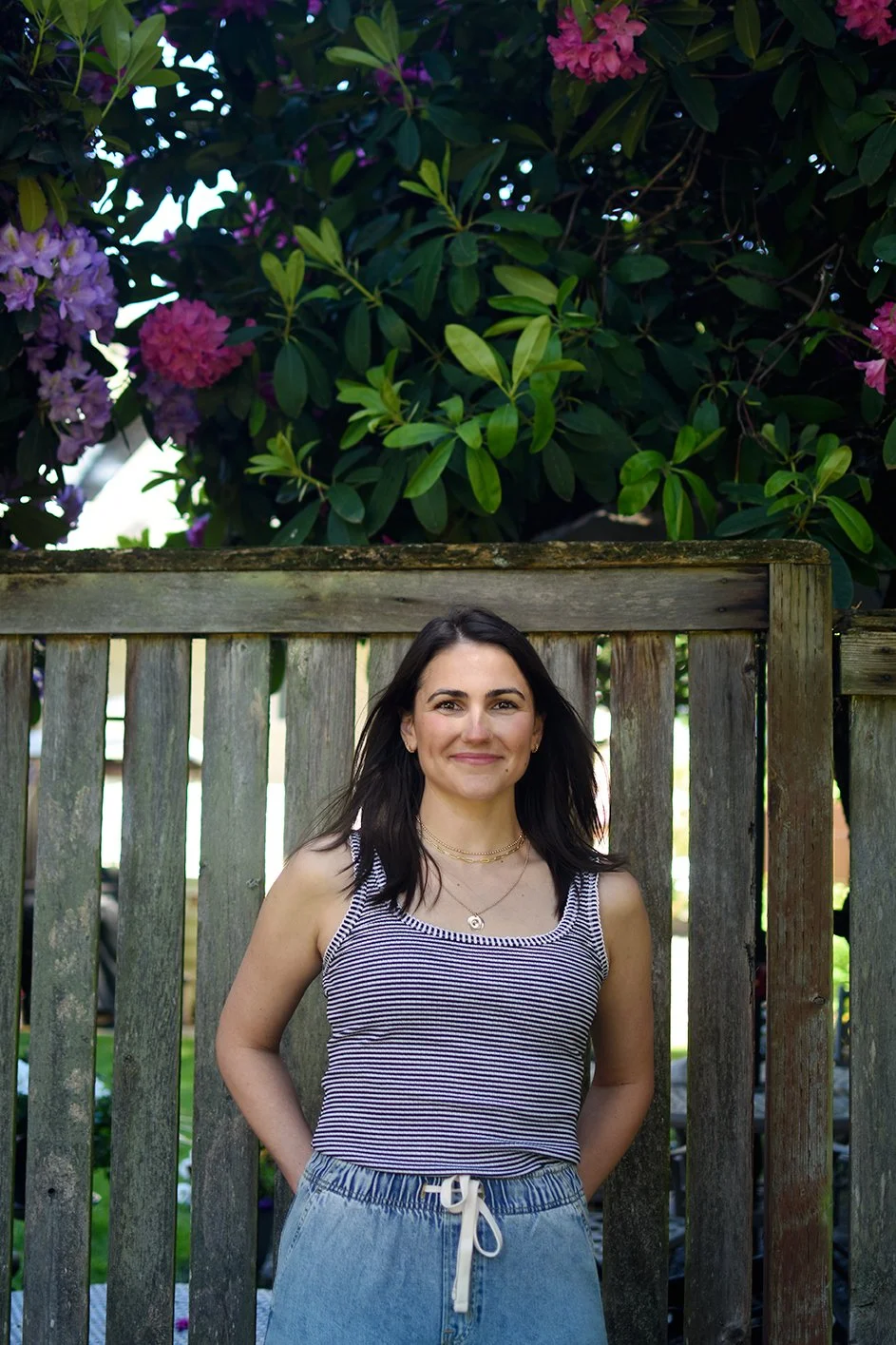
Rebecca’s Intentional Act of Kindness
How did you use the $100? My children’s school serves many families who may not be able to contribute classroom supplies or fulfill items on teacher supply lists. I chose to purchase extra supplies to help ensure that all students have access to the materials they need to learn and participate. As an educator, I see firsthand how a lack of access to basic needs, such as school supplies, clothing, and food, can affect a student’s ability to focus, learn, and feel successful at school. These challenges can create additional stress for students and become barriers to learning. By helping meet these basic needs, we can remove some of those barriers and give every student a greater opportunity to learn, participate, and succeed.
What was the 'Intentional Act of Kindness' process like for you? I actually prefer that no one knows when I’ve helped. I don’t need a thank-you or any recognition for it. I usually look at class supply lists and teacher wish lists and quietly purchase the items I know students will need, along with supplies that will help teachers better support their classrooms. I especially love helping younger students because they may not even realize that something they need is missing. The supplies are simply there when they need them, without a student ever having to ask, feel singled out, or know how they got there. I also try to involve my own children in small ways. When we shop for their school supplies, I’ll have them grab a few extras and simply explain that we’re getting them “just in case the teacher needs more.” As they get older and are able to better understand, I hope to teach them more about why our family does this. That when we have the ability to help make things a little easier for someone else, we should.