
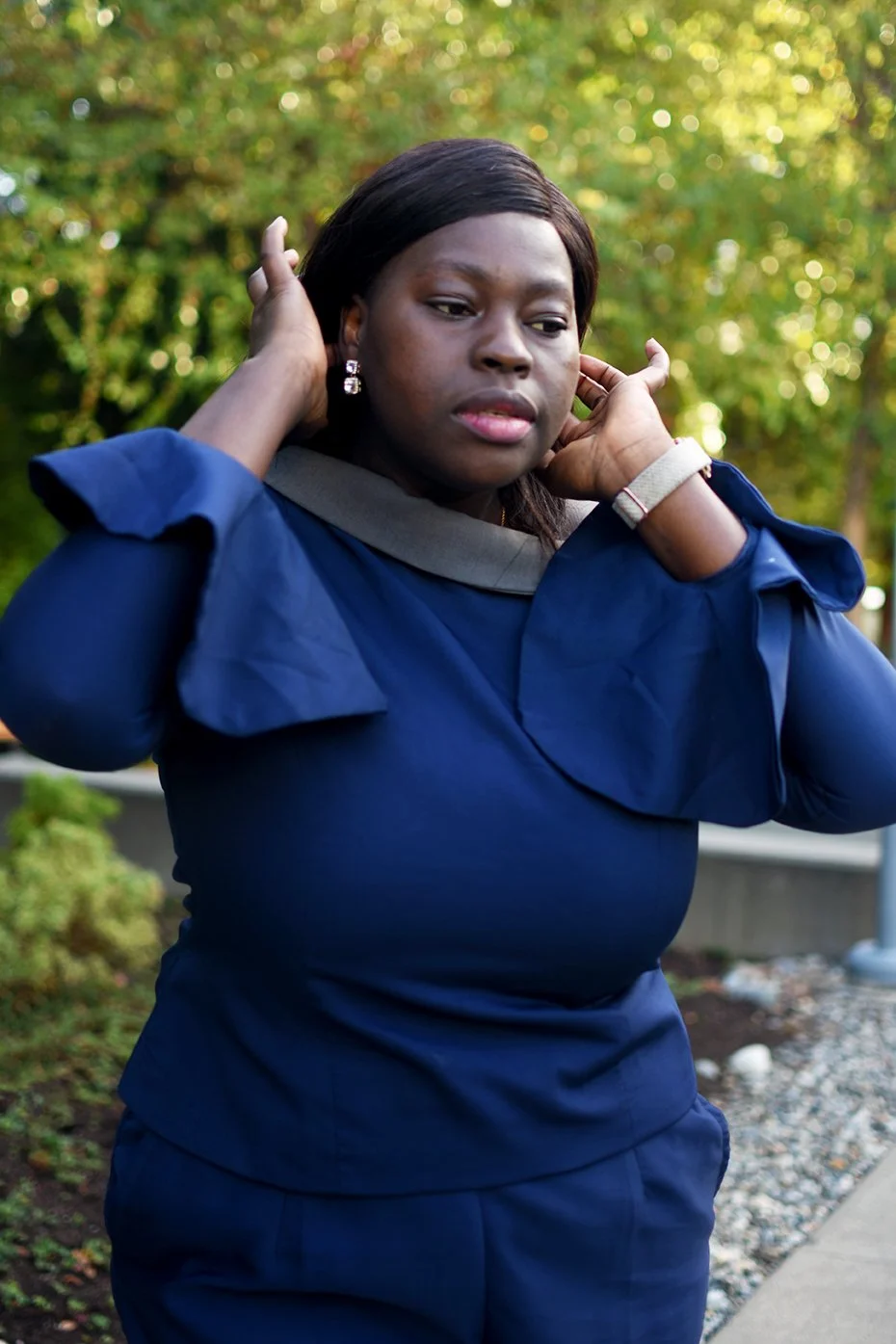
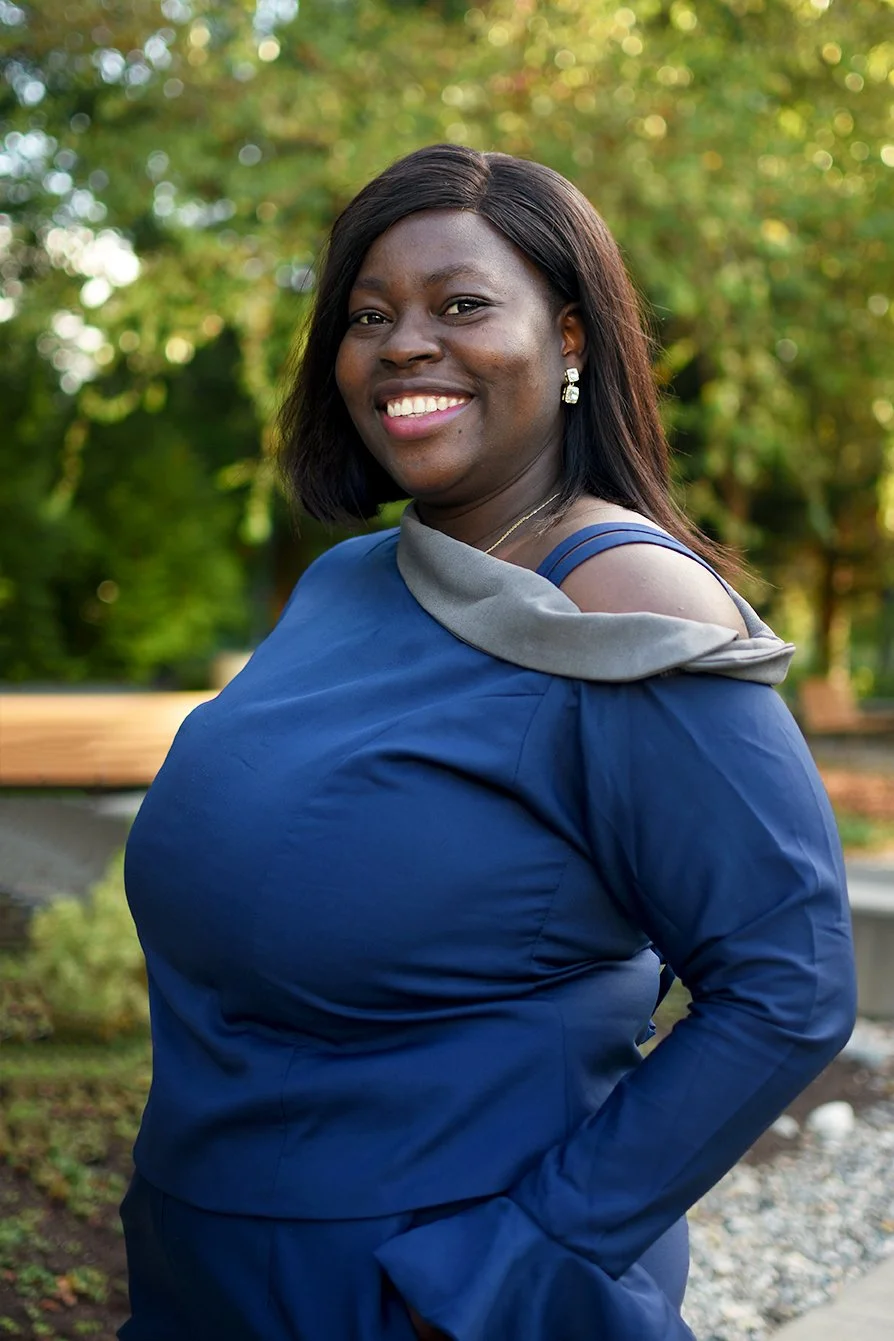

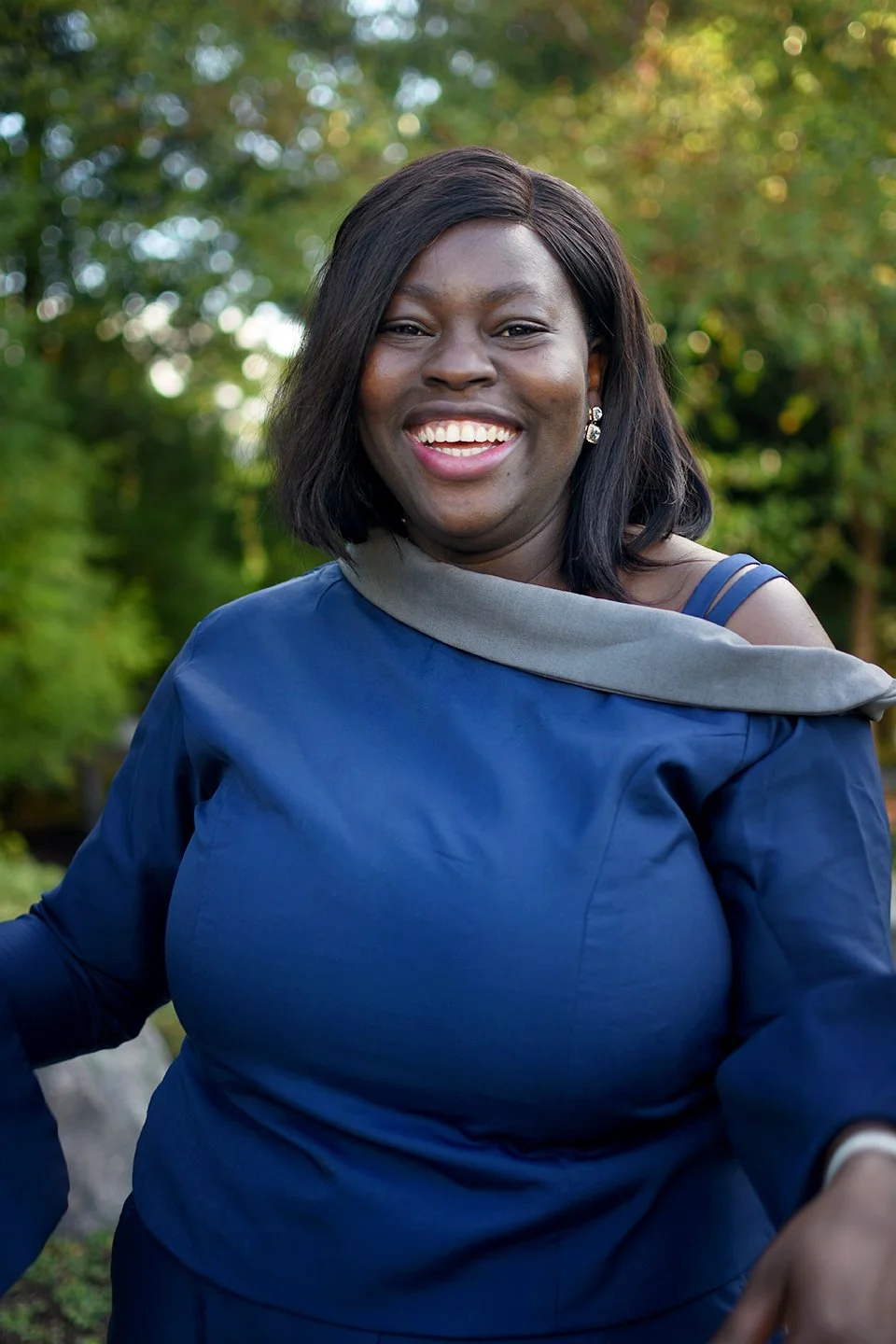
What does "being strong" mean to you? It’s about showing up, even when things don’t go as planned, and choosing to keep moving forward. Strength isn’t about having all the answers or never feeling discouraged—it’s about resilience. It’s the quiet decision to rise again, to keep leading, loving, and living with purpose, even when the path is uncertain. My strength shows up in how I continue, how I care, and how I hold space for others while honoring my own journey.
How does family shape your perception of strength? Family has everything to do with that.
Family is everything to me. It’s not just a part of my life—it’s the heartbeat of who I am. As a mother, daughter, wife, and friend, I draw strength from the people I love most. I think about my children, especially on the days when I feel stretched thin. Their laughter, their curiosity, their need for me—it reminds me that I have a purpose beyond the momentary challenges. My mother’s quiet strength, the way she held our family together through difficult times, taught me that resilience doesn’t always roar. Sometimes, it whispers, “Just one more step.”
There have been days when I’ve had to lead a meeting with a smile while carrying the weight of personal struggles. Days when I’ve had to be the calm in the storm for my team, even when I felt uncertain myself. But I’ve learned that vulnerability doesn’t cancel out strength—it enhances it. Being able to say, “This is hard, but I’m still here,” is one of the bravest things we can do.
So when I think about what it means to be strong, I think about the women who came before me, the children I’m raising, and the community I’m part of. I think about the power of showing up, again and again, with love, with purpose, and with the quiet confidence that I can handle whatever comes next.
What keeps you strong in times of trial? What keeps me strong in times of trial is my family—they are my anchor and my motivation. When life feels overwhelming, I remind myself that this is just a phase, and like all things, it will pass. That simple truth helps me hold my head high and keep moving forward. I’ve learned to be creative in how I navigate challenges. Whether it’s finding new ways to manage my time, asking for help, or simply reimagining what success looks like in the moment, I try to stay flexible and open. I’ve also learned that strength doesn’t mean holding it all in. Sometimes, I cry. I let the emotions out. That release is part of my healing—it clears space for clarity and peace. And when I feel like I’m at my limit, I remind myself: everything with a beginning has an end. Trials are temporary. They may shape me, but they don’t define me. That perspective gives me the strength to keep showing up—with grace, with hope, and with the quiet confidence that I’ll make it through.
How can you be strong and vulnerable? I’ve come to believe that strength and vulnerability are not opposites—they’re partners. Being strong doesn’t mean having it all together all the time. It means having the courage to be real, even when it’s uncomfortable. As a mother, there have been moments when I’ve had to hold it together for my kids while quietly navigating my own fears or exhaustion. I’ve learned that letting them see me cry or admit I’m having a hard day doesn’t make me less strong—it shows them that emotions are human, and that strength includes honesty.
In my work, I’ve found that vulnerability builds trust. When I’ve shared my own challenges with my team—whether it’s navigating change, balancing motherhood and leadership, or simply saying, “I don’t have all the answers”—it’s opened the door for others to do the same. That’s when the real connection happens. That’s when we grow together. Strength is in the showing up. Vulnerability is in showing up as your full self. And when you do both, you create space for others to do the same.
How do you encourage other women to be strong? I encourage other women to be strong by first reminding them that strength doesn’t have to look one specific way. It’s not always loud or bold—sometimes it’s quiet, steady, and deeply rooted in love and purpose. I try to lead by example. I share my own journey—the wins, yes, but also the moments of doubt, the times I’ve had to pick myself up, and the lessons I’ve learned along the way. I’ve found that when I’m open about my own challenges, it gives others permission to be real too. That’s where true strength begins—in authenticity.
I also make it a point to see women—to acknowledge their efforts, their growth, and their resilience, especially when they don’t see it in themselves. Whether it’s a colleague navigating a tough project or a friend balancing motherhood and career, I try to be the voice that says, “You’re doing better than you think.” And I create space. Space for women to speak, to lead, to rest, to ask for help, and to rise. I believe in the power of community, and I know that when women support each other, we all grow stronger. At the end of the day, encouraging strength in others is about being present, being real, and being willing to walk alongside them—reminding them that they’re not alone, and that their strength is already within them.
What’s one thing someone could do today to make them stronger? One thing someone could do today to make themselves stronger is to pause and acknowledge where they are—without judgment. Strength begins with self-awareness. When you take a moment to check in with yourself—emotionally, mentally, physically—you create space to respond with intention instead of reacting from overwhelm.
A few things I try to do:
1. Name your emotions. Say it out loud or write it down: “I feel tired,” “I feel anxious,” or “I feel hopeful.” Naming your emotions helps you process them instead of suppressing them.
2. Let yourself release. Cry if you need to. Journal. Go for a walk. Call someone you trust. Letting it out is not weakness—it’s how we make room for clarity and healing.
3. Remind yourself: this is a phase. Trials are temporary. Say it to yourself: “This will pass.” That simple truth can shift your mindset and help you breathe a little easier.
4. Do one small thing that moves you forward. It could be making a to-do list, sending that email you’ve been avoiding, or simply getting out of bed and making your favorite tea. Small steps are still progress.
5. Get creative. Ask yourself: “What’s another way I could approach this?” Strength often shows up in our ability to adapt and reimagine.
6. Speak kindly to yourself. Replace self-criticism with compassion. Try saying, “I’m doing the best I can, and that’s enough today.”
7. Connect with someone. Reach out to a friend, mentor, or loved one. Sometimes, just knowing you’re not alone is the strength you need to keep going.
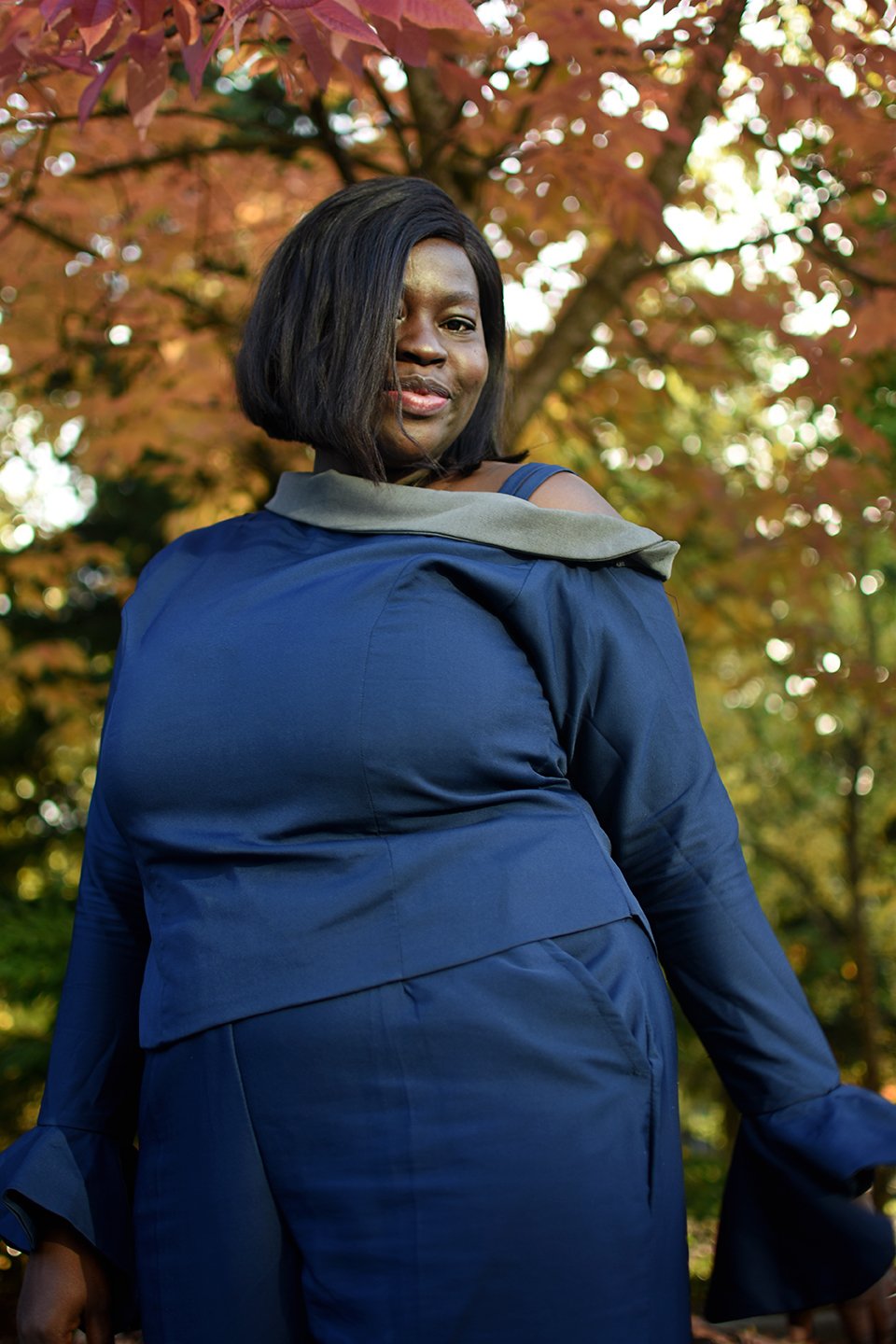
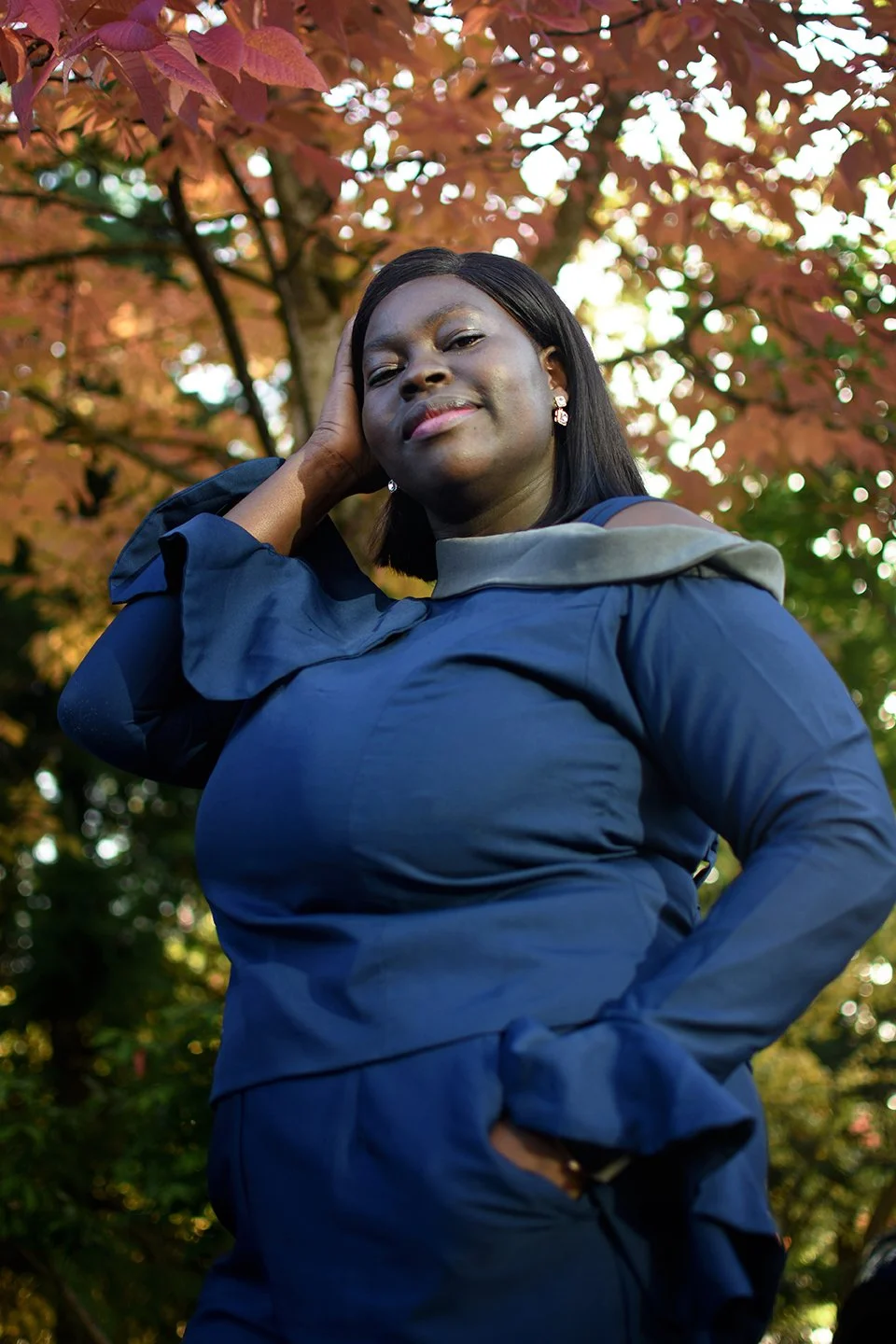
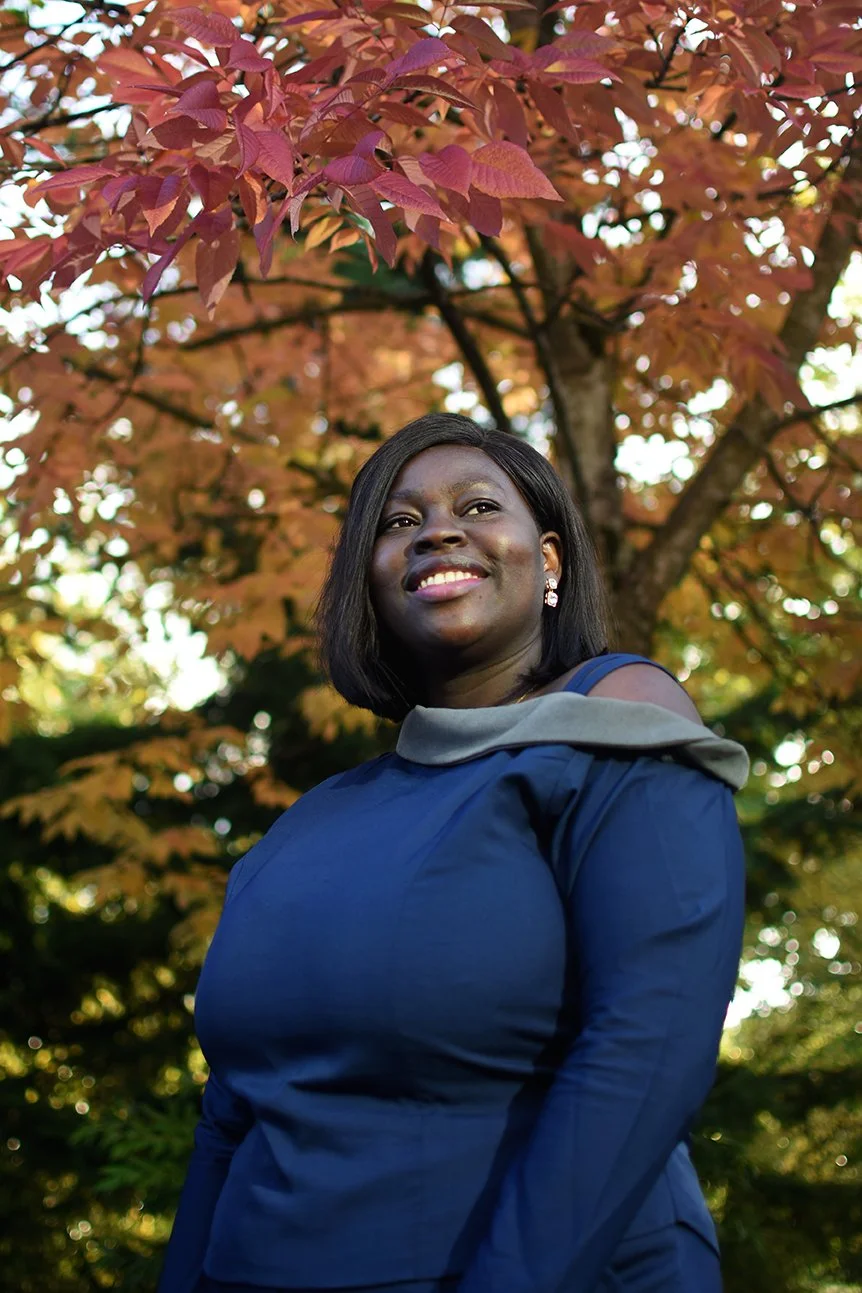
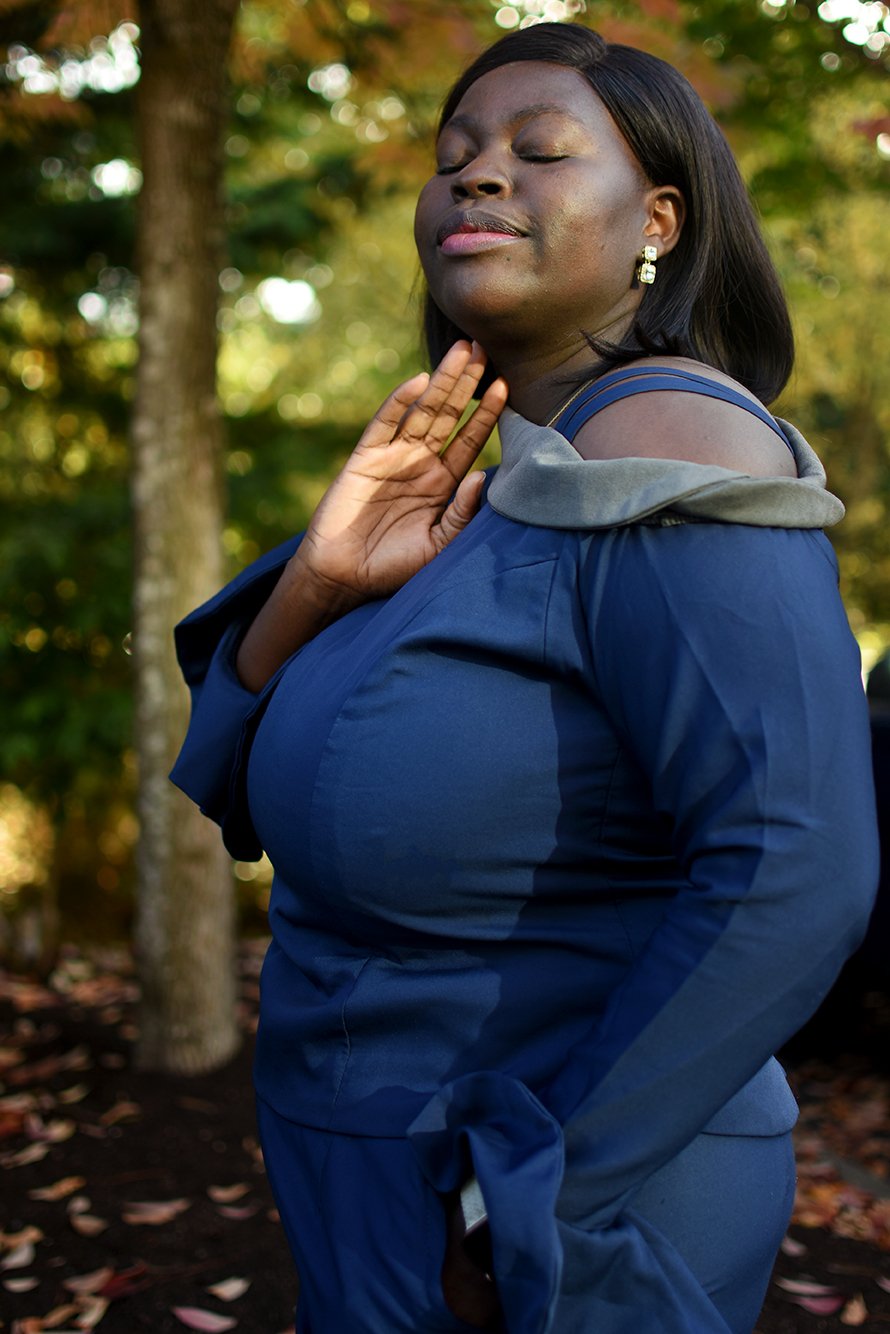
Deborah’s Intentional Act of Kindness
How did you use the $100? I made a donation to two child care centers. After relocating and starting school, I needed to enroll my 20-month-old child but couldn’t find a center that was both available and affordable. Then the UCC center stepped in for my family, offering a scholarship that covered 80% of the tuition—a tremendous relief for us. They weren’t just a childcare center; they became like family. Later, when we relocated again, the second center welcomed us with open arms, providing a sense of community and stability. For this, I am deeply grateful, and giving back is my way of honoring their support.
What was the 'Intentional Act of Kindness' process like for you? This process prompted me to reflect deeply on what kindness truly means and how we define it. I’ve encountered many acts of kindness throughout my life, and choosing these two centers felt significant because it allowed me to give back—helping them continue to be a source of support for other families.